

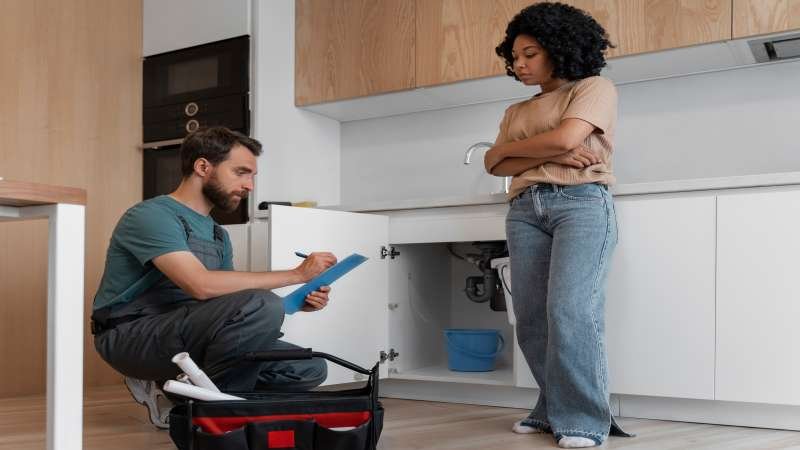

TheHomeTrotters HomeRepairs is a term people may come across while looking for useful information about fixing, improving, and caring for a home. The topic generally covers everyday household repair problems, simple DIY jobs, maintenance ideas, safety advice, and ways to prevent small issues from turning into expensive damage. For a homeowner, home repair is not only about fixing something after it breaks. Good home care also means noticing early warning signs, understanding what may be causing a problem, and deciding whether the repair can be handled at home or needs an experienced professional. A dripping tap, a loose door handle, a small crack in a wall, or a slow drain may seem unimportant at first, but ignoring these signs can sometimes lead to larger problems. The main value of TheHomeTrotters home repair guidance is therefore learning how to look after different parts of a house in a practical and organized way.
The idea behind TheHomeTrotters HomeRepairs can also be understood as making home maintenance easier for ordinary people who may not have professional repair experience. Many homeowners feel unsure when something suddenly stops working because they do not know where the problem started or what they should check first. Helpful home repair information explains problems in simple steps, beginning with basic inspection and moving toward possible solutions. It can cover plumbing, electrical systems, walls, doors, windows, flooring, roofs, fixtures, and other parts of a property. However, homeowners should always understand their limits. Replacing a loose cabinet handle is very different from repairing electrical wiring or fixing a serious roof problem. The goal is not to encourage people to attempt every repair themselves. Instead, good TheHomeTrotters HomeRepairs advice can help readers understand their homes better, handle simple tasks with confidence, recognize dangerous situations, and know when professional help is the safer choice.
Common Home Repairs and Everyday Household Problems
Most homes develop small problems over time, even when they are well cared for. Some of the most common issues include leaking taps, slow drains, loose door handles, cracked walls, damaged tiles, sticking windows, broken light switches, and small roof leaks. These problems may look minor, but they should not always be ignored. A small water leak, for example, can slowly damage a cabinet, wall, or floor if it continues for weeks. In the same way, a crack in a wall may simply come from normal movement in the building, but a crack that becomes wider could need closer attention. TheHomeTrotters HomeRepairs approach is useful because it encourages homeowners to notice changes early. Looking around your home regularly can help you find problems before they become difficult or expensive to fix. The important part is understanding the difference between normal wear and a repair that needs quick attention.
Different areas of a home also need different types of care. Kitchens and bathrooms often have plumbing problems because they use water every day. Doors and windows may become harder to open because of loose hinges, moisture, or changes in the frame. Floors can develop loose boards, cracked tiles, or damaged edges in busy areas. Outside the home, gutters can become blocked, roof materials can wear out, and exterior sealant may begin to crack. A simple TheHomeTrotters home repair routine can include checking these areas from time to time rather than waiting for something to fail completely. One useful rule is: “Fix the cause, not only the visible damage.” If a ceiling has a water mark, painting over it is not enough. The leak above it should be found first. This simple habit can save homeowners from repeating the same repair again and again.
TheHomeTrotters HomeRepairs DIY Tips for Homeowners
DIY home repair can be useful when the job is simple, safe, and easy to understand. Tasks such as tightening a loose cabinet handle, replacing a damaged door stopper, filling a small nail hole, applying fresh sealant around a sink, or changing weather stripping around a door can often be handled without special experience. Before beginning any job, it is wise to understand exactly what is wrong and gather the correct tools. Rushing into a repair without checking the problem can create more damage. TheHomeTrotters HomeRepairs DIY ideas work best when homeowners start with small tasks and learn gradually. A basic toolbox can include a hammer, screwdrivers, measuring tape, pliers, adjustable wrench, utility knife, spirit level, and cordless drill. Safety glasses and work gloves are also useful because even a simple repair can create dust, sharp edges, or small flying pieces.
The most important part of DIY work is knowing when to stop. Electrical wiring, gas lines, serious roof damage, major plumbing leaks, and structural problems should not be treated like simple weekend projects. If a repair involves danger, hidden damage, or specialist knowledge, a trained professional is usually the better choice. A homeowner may save money by fixing a loose hinge, but trying to repair a complicated electrical fault without proper knowledge can create a much larger safety problem. A useful TheHomeTrotters home repair tip is to ask three questions before starting: Do I understand the problem? Do I have the right tools? Can I complete the work safely? If the answer to any of these is no, getting professional help can be the smarter decision. Good DIY work is not about doing everything yourself. It is about handling suitable jobs carefully and knowing your limits.
TheHomeTrotters Home Maintenance Tips to Prevent Expensive Repairs
Regular maintenance is one of the easiest ways to reduce unexpected home repair problems. A home contains many systems that slowly wear down with daily use, including plumbing, heating, cooling, electrical parts, roofing, seals, doors, windows, and drainage. Simple checks can make a big difference. Homeowners can look under sinks for moisture, check walls and ceilings for new stains, clear leaves from gutters, inspect sealant around bathrooms, and make sure doors and windows close correctly. TheHomeTrotters HomeRepairs maintenance approach is based on paying attention before something breaks. Preventive maintenance does not mean spending money every week. It means noticing small warning signs and dealing with them at the right time. A loose tile, worn seal, or small leak is normally easier to manage than the damage it can cause after months of being ignored.
Seasonal care can also make home maintenance easier because different problems appear at different times of the year. Before heavy rain, it is useful to check the roof, gutters, drains, and areas where water could enter the home. Before very hot or cold weather, heating and cooling systems should be checked so they are ready when needed. Doors and windows can also be inspected for gaps that allow outside air to enter, which may make the home less comfortable and increase energy use. A simple real-life example is a homeowner who notices a small amount of water around a window after a storm. Instead of wiping it away and forgetting about it, the homeowner checks the seal and repairs the damaged area. That small action may prevent moisture from reaching the wall and causing mold, peeling paint, or damaged wood later.
Quick Home Maintenance Guide
| Area | What to Check | Why It Matters |
|---|---|---|
| Plumbing | Leaks, dripping taps, slow drains | Helps prevent water damage |
| Roof | Missing or damaged materials | Reduces the risk of leaks |
| Gutters | Leaves and blockages | Helps rainwater drain correctly |
| Doors and windows | Gaps, loose handles, damaged seals | Improves comfort and security |
| Bathroom | Cracked sealant and moisture | Helps control water damage |
| Walls and ceilings | Cracks, stains, damp areas | Can reveal hidden problems |
| Electrical areas | Damaged switches or unusual signs | Helps identify safety concerns |
Home Repair Safety and When to Call a Professional
Safety should always come before saving money or finishing a repair quickly. Even an ordinary-looking household problem can sometimes involve electricity, water pressure, sharp materials, unstable surfaces, or hidden damage. Before beginning a repair, the work area should be clean, well lit, and free from unnecessary objects. The right protective equipment should also be used where needed. When working near electricity, power should be turned off correctly before touching electrical parts. Water may also need to be shut off before plumbing work begins. TheHomeTrotters HomeRepairs safety advice is especially important because knowing how to fix something is only part of the job. A repair is not successful if it creates a new danger. Children and pets should also be kept away from tools, chemicals, ladders, exposed wiring, and unfinished repair areas.
Professional help becomes important when the problem is beyond basic household maintenance. Burning smells, repeated electrical trips, gas smells, major water leaks, serious roof damage, large wall cracks, foundation movement, and unstable structures should be treated carefully. These signs may point to problems that cannot be seen from the surface. For example, repeatedly resetting an electrical breaker without finding the reason does not solve the fault. In the same way, covering a large wall crack with filler does not explain why the crack appeared. TheHomeTrotters home repair guidance should help people understand that calling a professional is not a failure. In many situations, it is the safest and most practical choice. Experienced tradespeople have tools, training, and knowledge that allow them to inspect hidden problems and complete difficult work more safely.
TheHomeTrotters HomeRepairs Costs and Smart Budgeting
Home repair costs can be very different because every problem has its own level of difficulty. A small repair may only require an inexpensive part and a few minutes of work, while a major plumbing, roofing, electrical, or structural job can require skilled labor and several materials. The final cost may depend on the type of damage, the condition of the home, the parts needed, access to the repair area, and whether the job is urgent. TheHomeTrotters HomeRepairs budgeting idea is to avoid looking at repair costs only after something breaks. Homeowners can keep a small amount of money aside for maintenance and unexpected repairs. This can make sudden problems easier to manage. Keeping notes about previous repairs can also be useful because it helps you see whether the same problem is happening repeatedly.
Saving money on home repairs does not always mean choosing the cheapest option. A very cheap repair that fails after a short time can cost more in the long run. It is often better to understand what work is included, what materials will be used, and whether the repair solves the real cause of the problem. When a professional is needed, comparing clear estimates can help homeowners understand reasonable costs. It is also worth asking whether repairing or replacing an item makes more sense. An older fixture that needs repairs every few months may no longer be economical to keep. On the other hand, replacing something that only needs a simple part can waste money. A smart TheHomeTrotters home repair budget focuses on value, safety, and long-term results rather than simply finding the lowest price.
Frequently Asked Questions About TheHomeTrotters HomeRepairs
What is TheHomeTrotters HomeRepairs?
It covers useful information about home repairs, maintenance, DIY tasks, safety, and caring for common household areas.
Can beginners do home repairs?
Yes. Beginners can handle simple, low-risk jobs when they understand the task and use proper tools.
Which repairs need professionals?
Complex electrical, gas, roofing, structural, and serious plumbing work usually needs trained professionals.
How can I prevent costly repairs?
Regular inspections and fixing small problems early can help reduce larger damage.
Is home maintenance important?
Yes. Regular maintenance keeps a home safer, more comfortable, and easier to manage over time.
Read more: Peter Lynch and Safra Catz